Overview
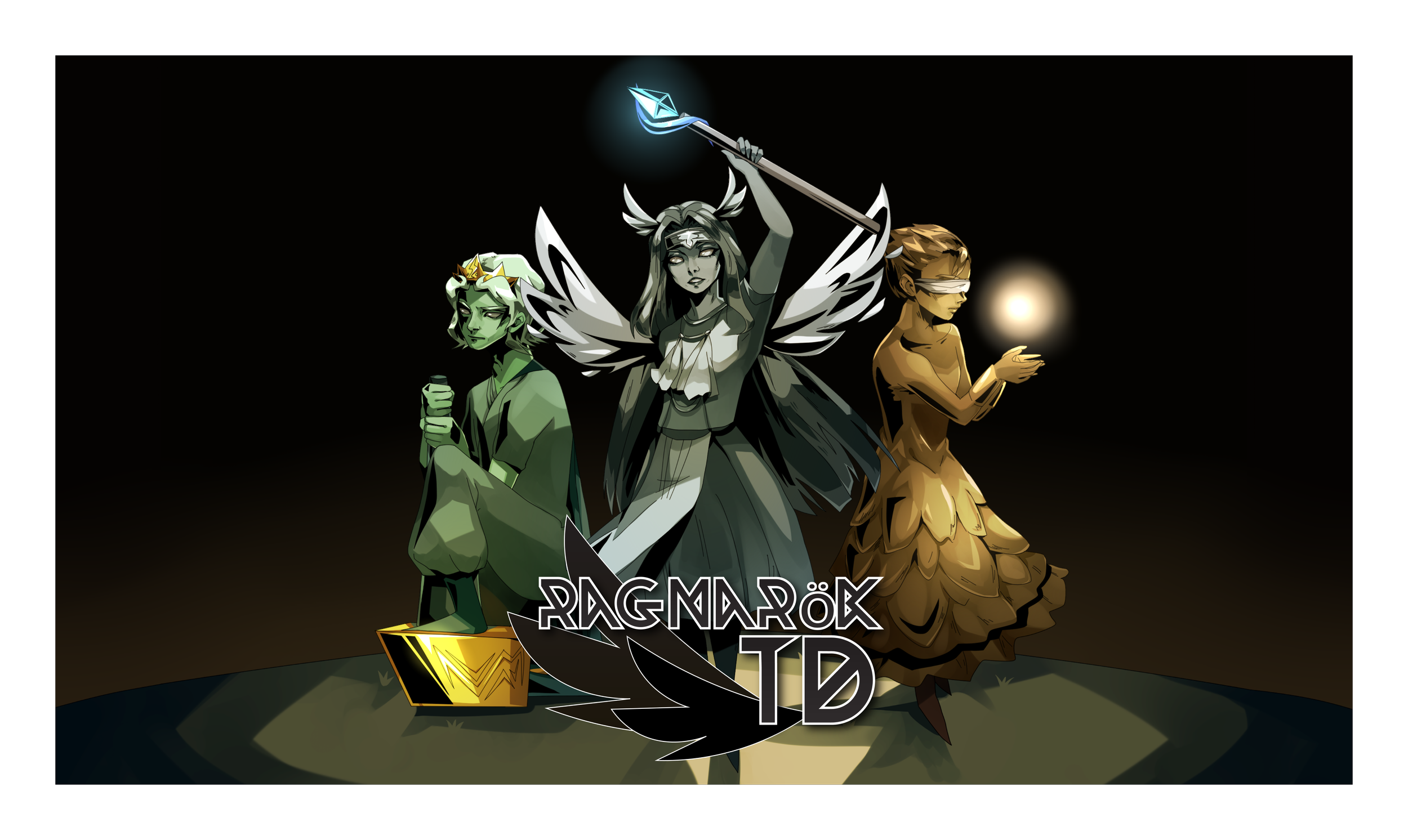
Ragnarök TD is a 2D top-down tower defense game created as a case study of Ninja Kiwi's Bloons TD 6 by the University of Michigan's WolverineSoft Studio. Follow the story of a small village in the North as they fend off the beasts of Ragnarök in this revamped Steam iteration of the original project.
This was a student club project without analytics instrumentation. This case study focuses on the design reasoning rather than measured outcomes.
Role
UX Designer
Timeline
Fall 2022 (released on Steam)
What I did
Initiated and prototyped on “Creating & Joining a Match” user flow for multiplayers.
Ideated and designed multiplayer waiting room experience.
Implemented gaming interface in Unity Engine.
Game Trailer
The Problem
1. CREATE ROOM
What kind of game am I starting?
2. WAITING ROOM
Who am I playing with?
What I designed
CREATE ROOM
Creating a room sets a starting point, not a commitment. The host picks a difficulty up front, but nothing chosen there is locked, difficulty and map both stay editable in the waiting room once the second player arrives. Treating the host's choices as defaults rather than decisions meant the first thing two players did together was adjust the game, not just wait for it.
WAITING ROOM
Each player's status ran through three states — waiting to join, joined but not ready, ready. Most lobbies collapse that middle one, but an empty slot and an unready teammate ask for completely different patience. The Play button stayed inactive until both were ready, so the control carried the room's state instead of making the player infer it. Map, difficulty and chat filled the wait with setup rather than dead time.
IN GAME
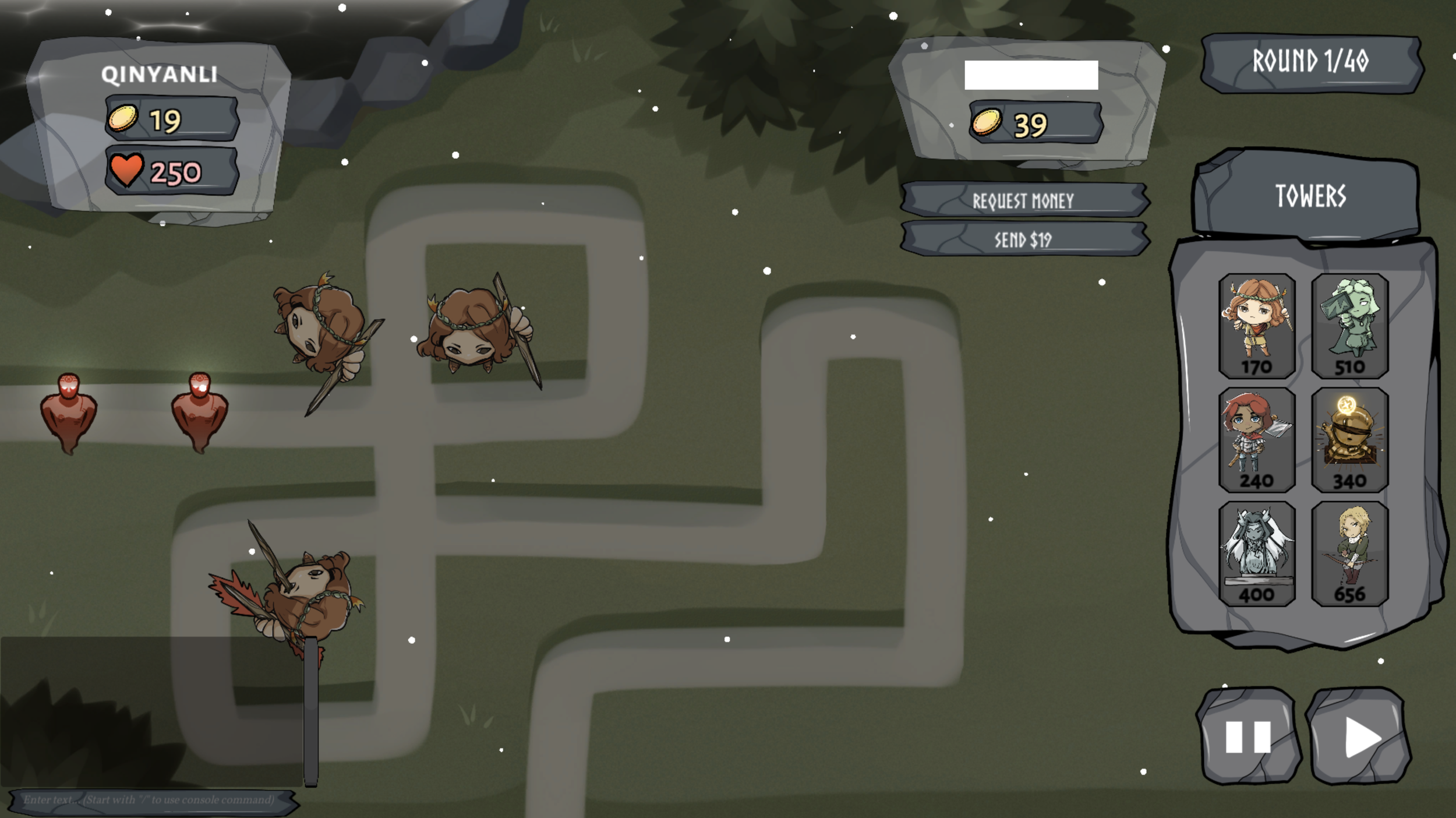
The match opens by telling you where your area is. That works for about a few seconds. Co-op pulls you into your teammate's half — that is the point of it — and once you are there, this half is yours tells you where you started, not whose tower you are looking at now.
3. IN GAME
Which of these are mine?
Player decides to create a new match or join an existing match.
Player decides to create a public or private match.
Player sends invite to other players.
Player can sees the status of another player.
Players can chat in the waiting room before starting the game.
When the game starts, it introduces the difficulty level that the players choose.
The map indicates each player’s area by dividing the it into differently colored zones.
What I would change
I designed identity for the lobby and geography for the match, and never connected them. Today I'd put the player's avatar or other indicators on their towers.